
High-Definition Liposculpture for Athletic Male Contouring
A circumferential approach to male torso contouring can improve overall body proportions.
Key Takeaways
- High-definition male torso contouring is about sculpting proportion and muscular definition, not simply removing fat.
- Combining circumferential liposculpture with direct glandular excision can address both excess fat and gynecomastia, producing a flatter chest, greater abdominal definition, and a more athletic overall appearance.
- Treating the chest, abdomen, flanks, and lower back as one cohesive aesthetic unit can improve waist tapering and overall body balance while helping avoid an over-operated look.
Strategic fat removal, selective fat preservation, and direct glandular excision can enhance masculine definition while maintaining natural anatomical contours.
Male aesthetic procedures continue to increase in popularity, with many patients seeking improved definition and proportion rather than simple weight reduction. High-definition liposculpture can enable a surgeon to sculpt the superficial tissues to define the surface musculature,1,2 and in combination with gynecomastia correction,3 can work together to create a more athletic appearance while preserving the natural contours that contribute to a masculine physique.4,5
This case highlights a circumferential approach to male torso contouring utilizing high-definition liposculpture and direct glandular excision to improve chest contour, abdominal definition, and overall body proportions.
CASE PRESENTATION
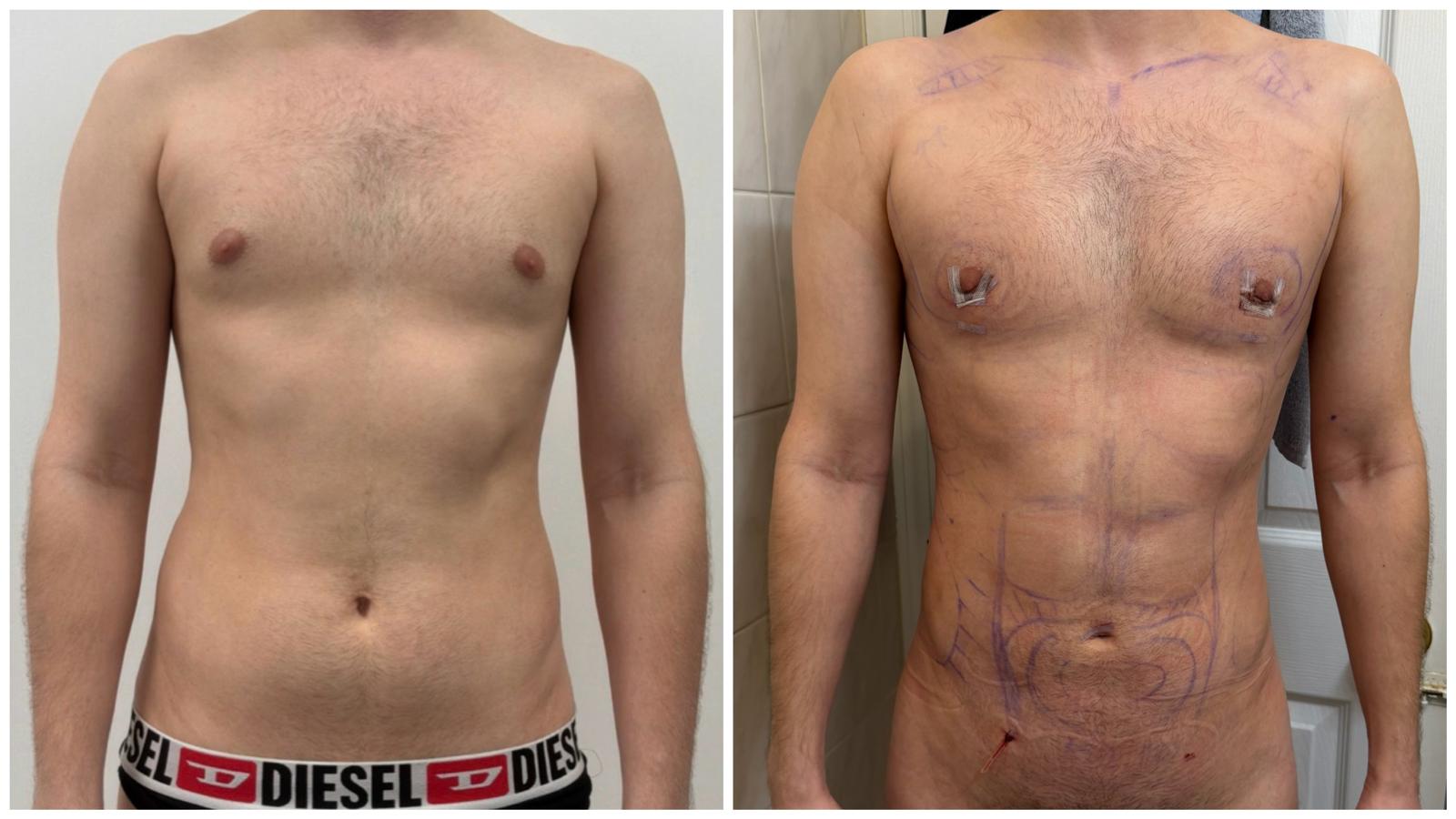
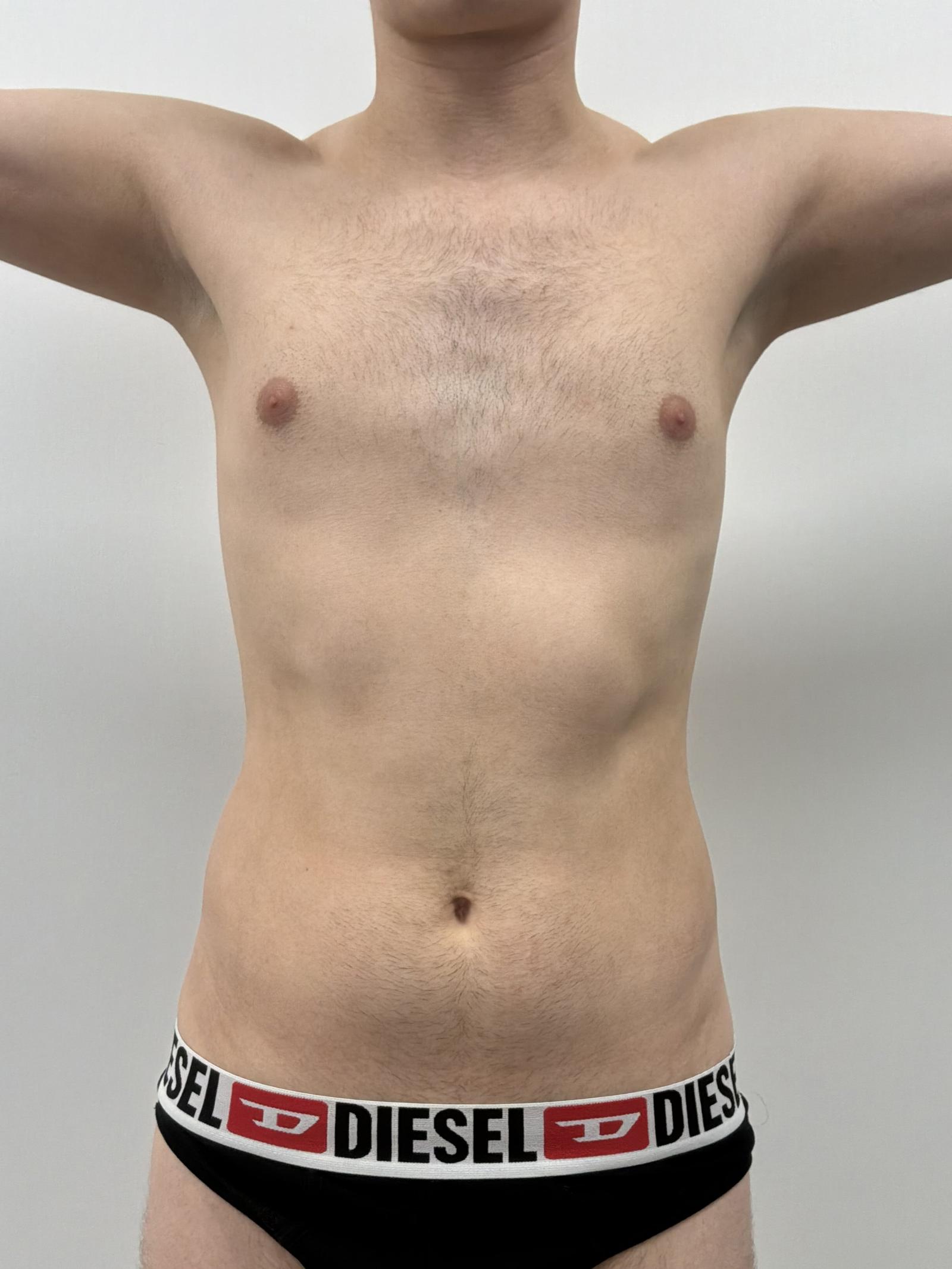
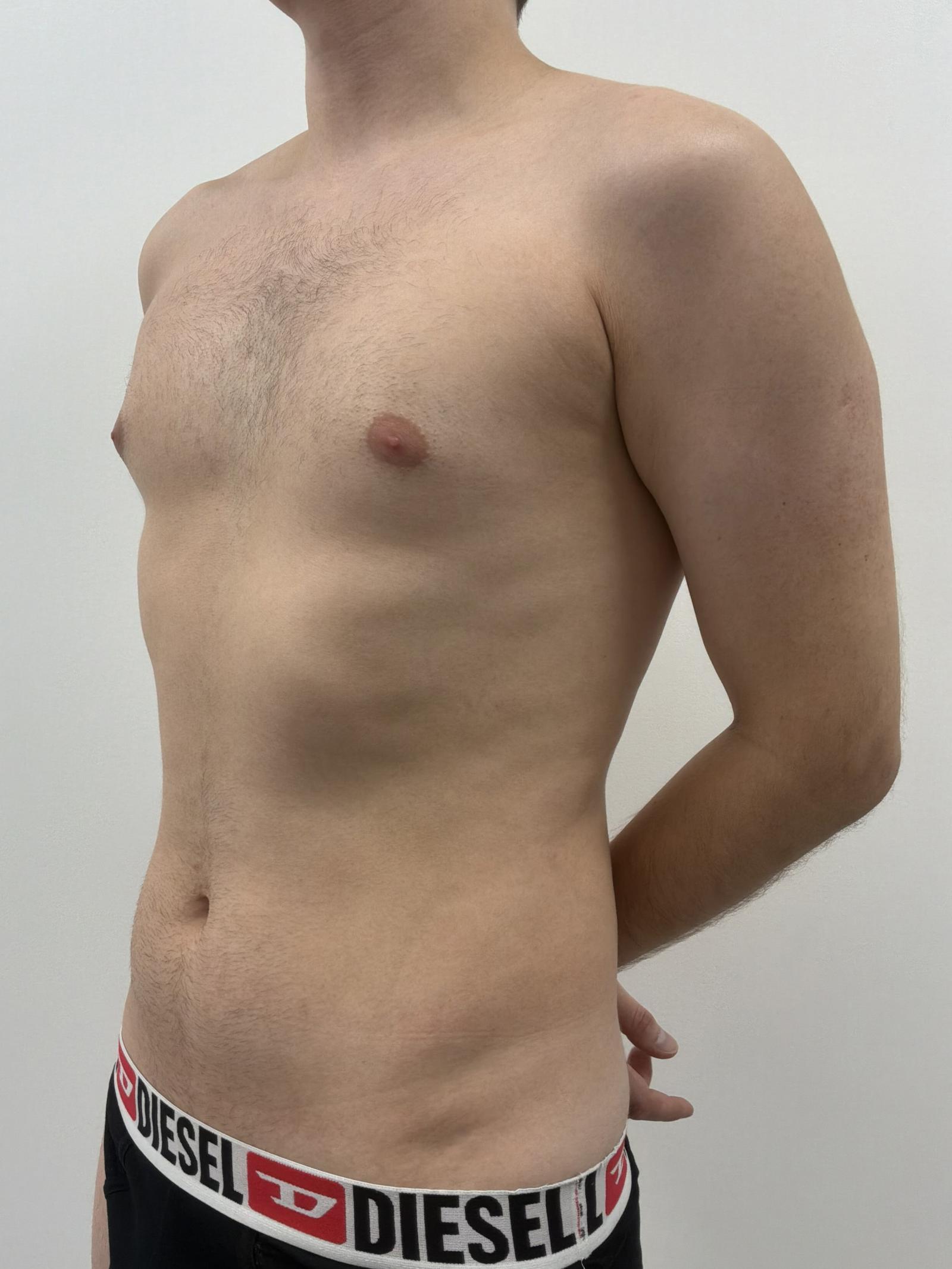
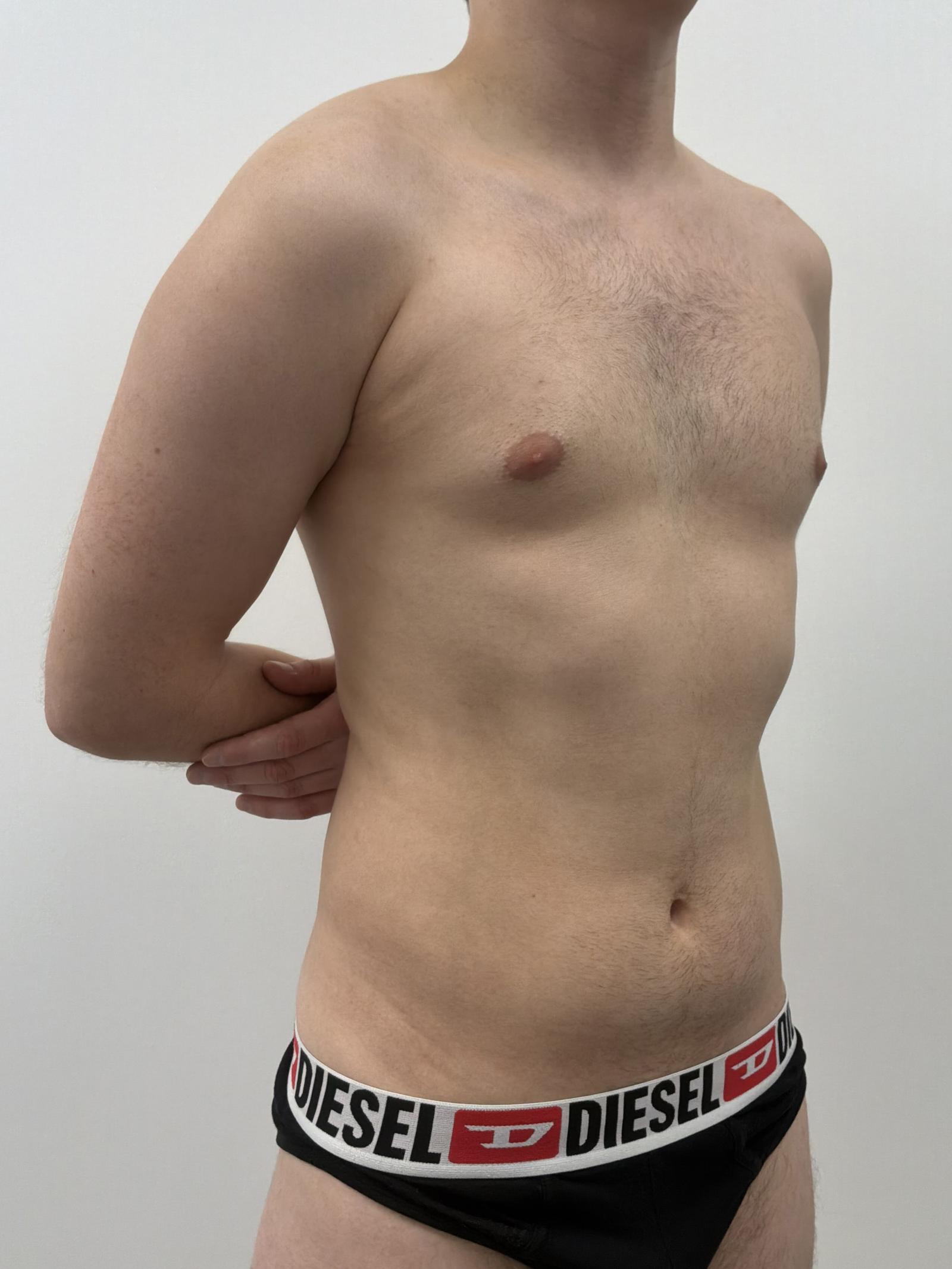
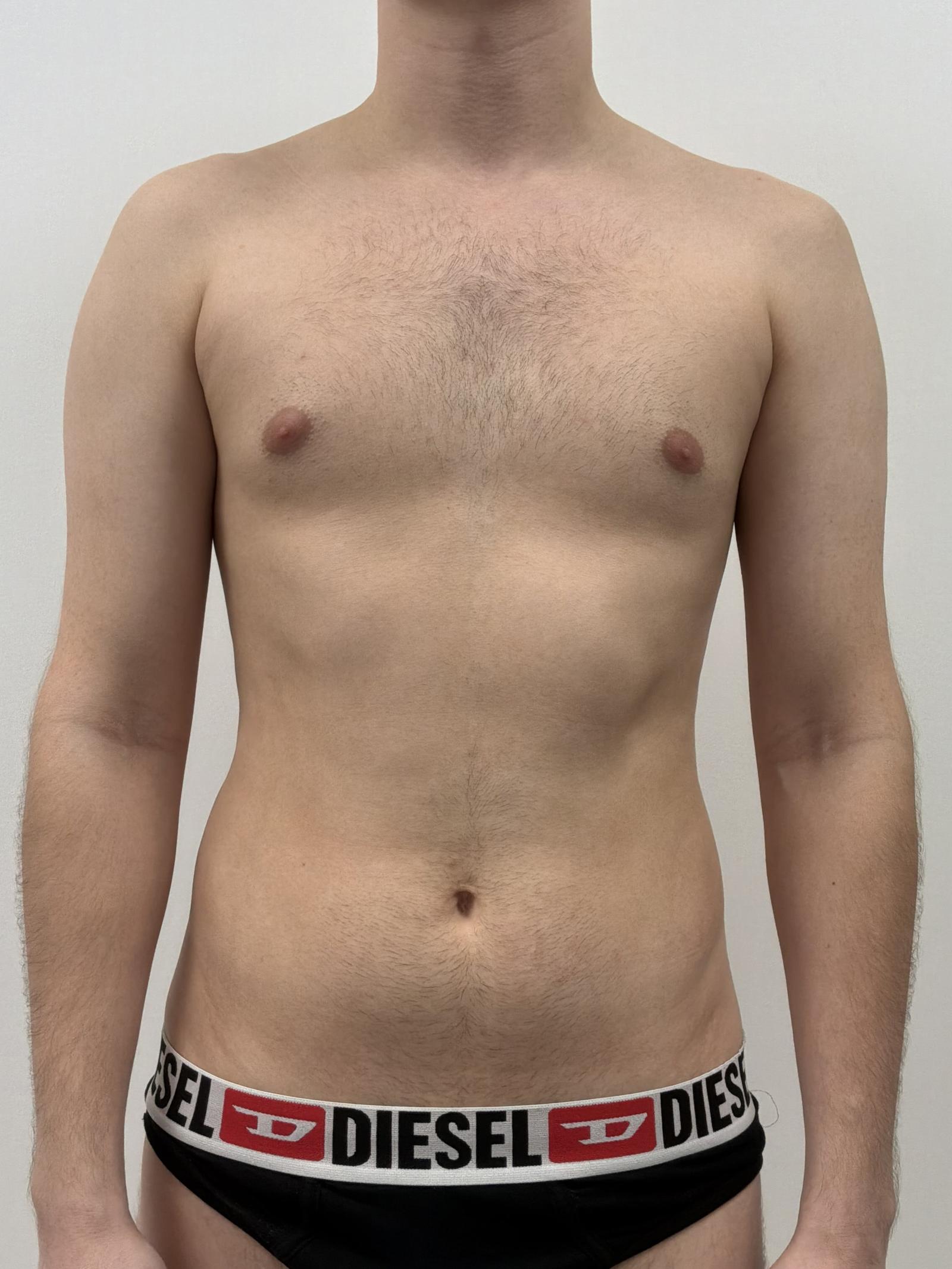
A 29-year-old man presented seeking improvement in chest contour, abdominal definition, and overall torso aesthetics. Physical examination demonstrated grade 1 gynecomastia with persistent glandular fullness of the chest and dermolipodystrophy involving the chest, abdomen, anterior and posterior flanks, and lower back (Figure 1).
The patient desired a more sculpted, masculine physique with increased abdominal definition, improved waist tapering, and a flatter chest contour. Because both excess adipose tissue and glandular breast tissue contributed to the overall presentation, a combined approach utilizing high-definition liposculpture and direct glandular excision was selected.
Rather than viewing the chest, abdomen, flanks, and lower back as separate treatment areas, the torso was approached as a single aesthetic unit. This strategy was intended to improve overall proportion while enhancing the natural relationship between the chest, waistline, and abdominal contours.
TREATMENT
The procedure was performed under local anesthesia with oral sedation. Approximately 2400 cc of tumescent solution was infiltrated throughout the chest, abdomen, flanks, and lower back.
Circumferential liposculpture was then performed using an ultrasound-assisted liposuction system (VASERlipo, Solta Medical) and 3-mm and 4-mm cannulas across the chest, abdomen, anterior and posterior flanks, and lower back. Total aspirate volume was approximately 1450 cc.
Selective contouring techniques were utilized to enhance abdominal topography and improve visibility of key anatomical landmarks. Particular attention was placed on high-definition abdominal contouring, emphasizing the linea alba, semilunar lines, and upper abdominal segmentation. The goal was to enhance visible muscular definition while preserving natural transitions and avoiding an over-operated appearance.
Following liposculpture, bilateral gynecomastia correction was performed through inferior peri-areolar incisions. Dense fibroglandular tissue was excised directly because liposuction alone would not have adequately addressed the glandular component of the deformity. A thin layer of subcutaneous fat was preserved beneath the nipple-areolar complex to support vascularity and maintain a smooth postoperative contour.
Prior to closure, the patient was evaluated in the seated position to assess contour, symmetry, and overall proportions. Closed-suction drains were placed, layered closure was performed, and a compression garment was applied.
A nonsurgical skin tightening system involving helium plasma/radiofrequency-assisted subdermal coagulation (Renuvion, Apyx Medical) was used; no fat grafting was performed.
TREATMENT OUTCOMES
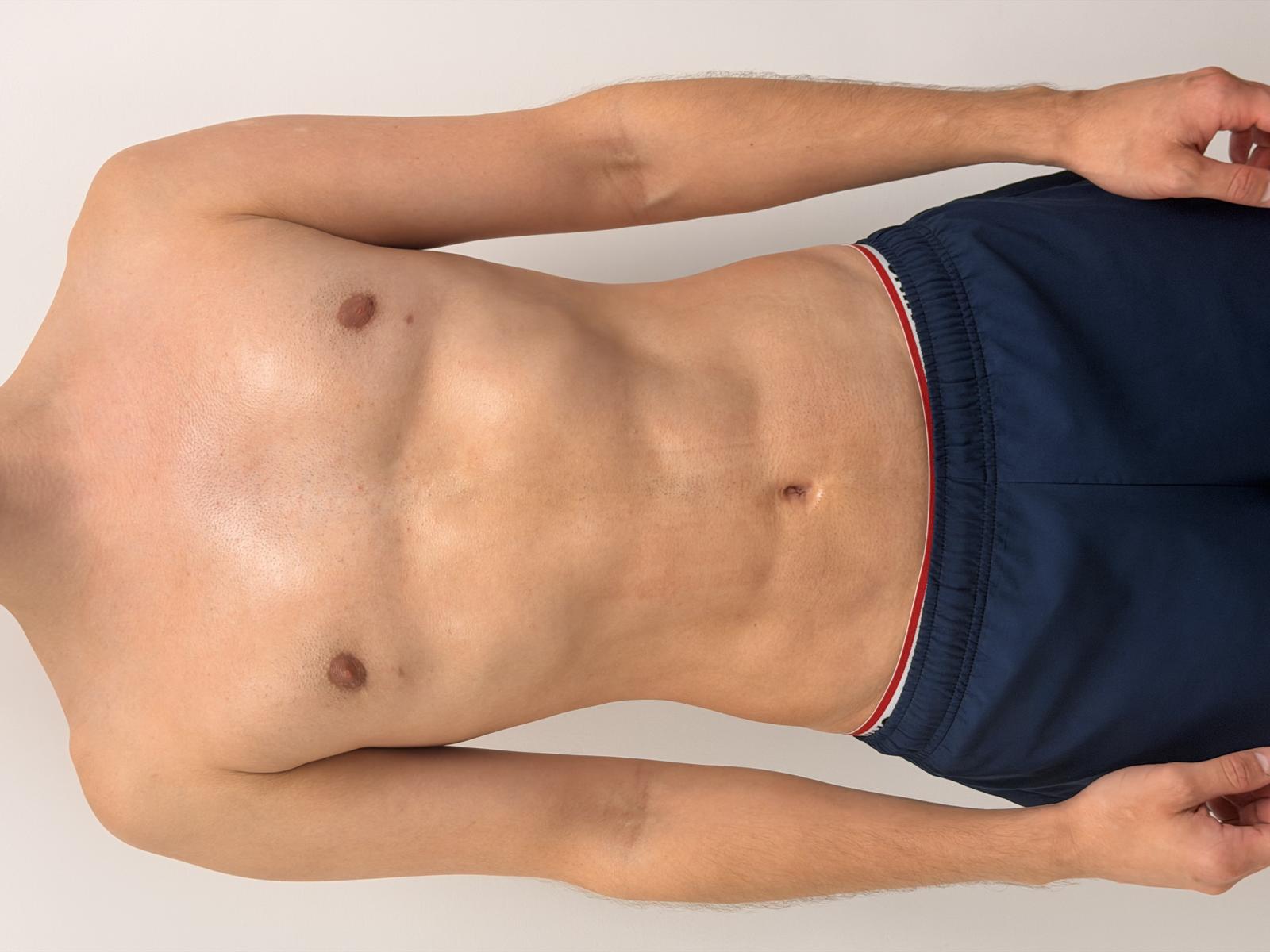
What makes this case particularly compelling is the degree of definition visible at just 24 hours post-procedure. Although significant swelling and fluid retention are expected during the immediate postoperative period, early photographs already demonstrated improved chest contour, waist tapering, abdominal definition, and overall torso proportion (Figure 2).
Flattening of the chest, improved waistline definition, and enhanced visibility of abdominal contours were evident immediately following the procedure, with continued refinement occurring as postoperative edema resolved. The patient tolerated the procedure well and entered the recovery period without complications.
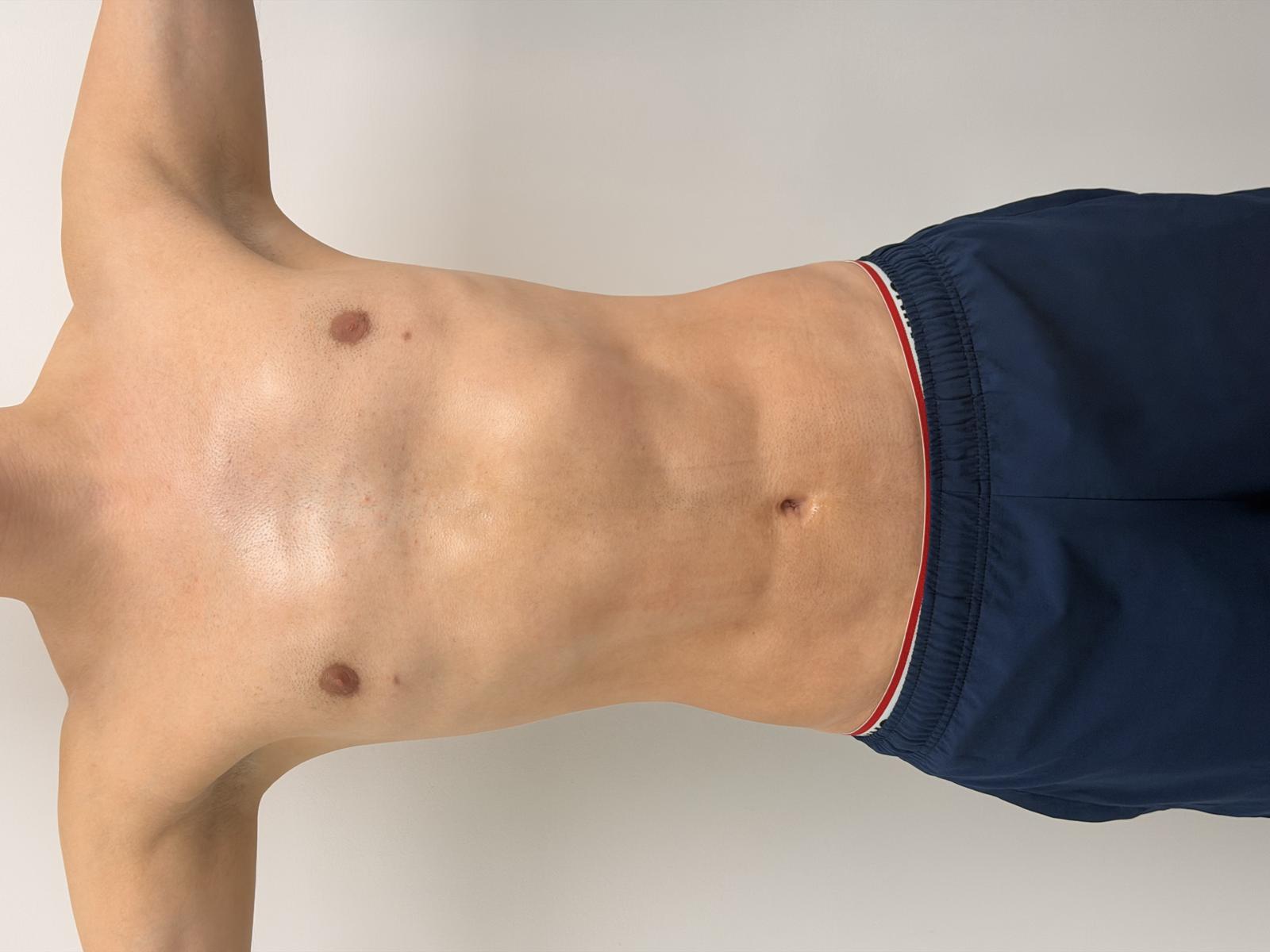
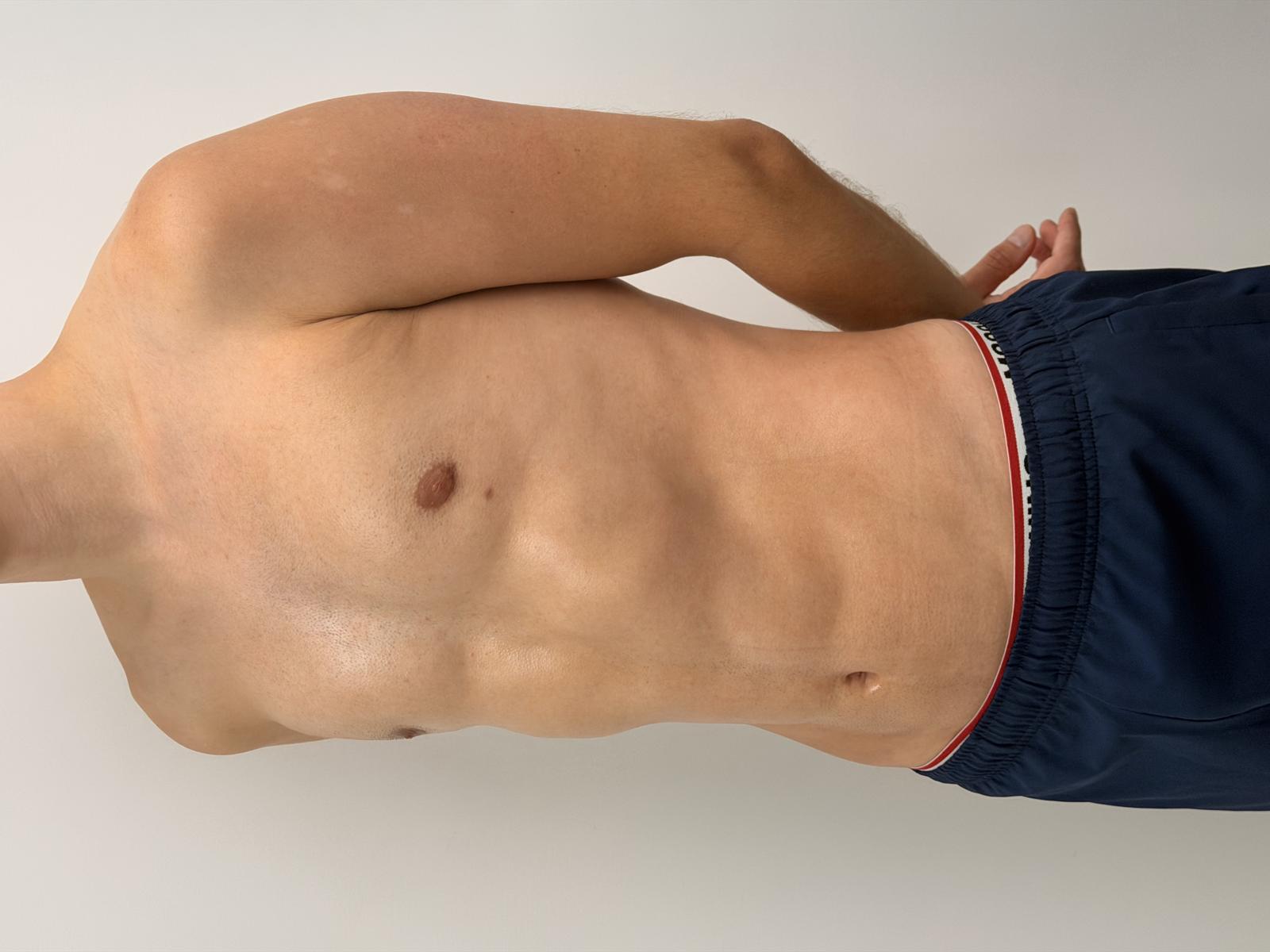
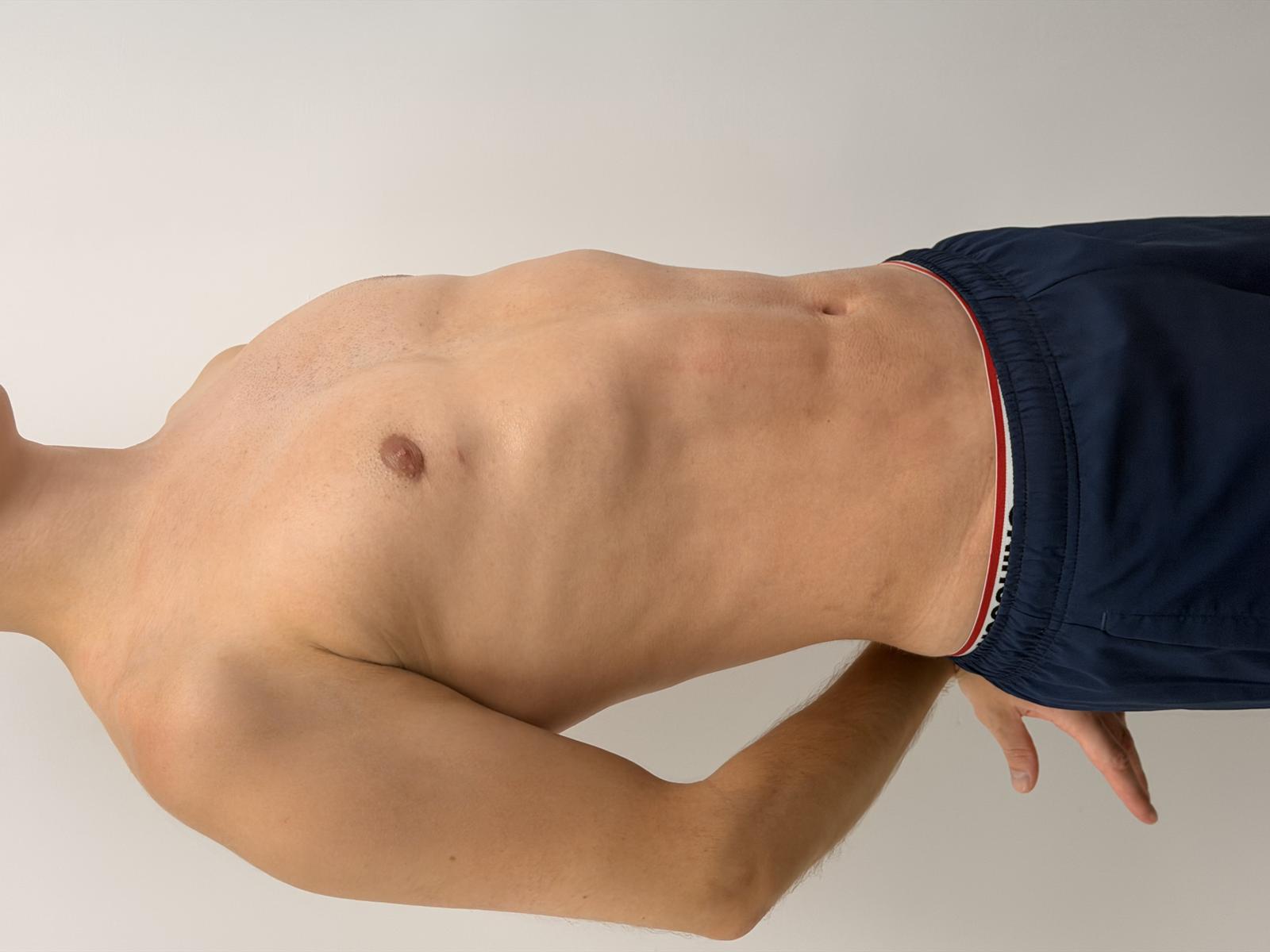
Continued improvement was shown after 3 months as swelling subsided, soft-tissue contraction progressed, and the final contours became more fully apparent (Figures 3 through 10).
DISCUSSION
This case illustrates an important principle in modern male body contouring: the goal is not simply to remove fat. The objective is to reveal existing anatomy while preserving the natural soft-tissue transitions that contribute to a masculine appearance. Success is determined less by the volume removed and more by how effectively contour, proportion, and definition are created.
Many male patients seeking body contouring desire a more athletic appearance rather than simply a smaller silhouette.6 High-definition liposculpture allows surgeons to selectively reduce adipose tissue while preserving strategic fat layers that contribute to natural contour transitions. Over-resection can create contour irregularities and an unnatural appearance, making selective preservation just as important as fat removal.
This case also highlights the importance of addressing the fibroglandular component of gynecomastia. Even patients with relatively mild gynecomastia frequently possess dense glandular tissue that cannot be adequately treated through liposuction alone.7 Direct excision remains an important component of achieving a flat, masculine chest contour and preventing residual fullness beneath the nipple-areolar complex.8
Equally important is the treatment of the torso as a cohesive aesthetic unit. Improvement of the anterior abdomen without simultaneous contouring of the flanks and lower back often limits the overall aesthetic result. Circumferential treatment can improve waist definition and strengthen the visual relationship between the chest and abdomen, contributing to a more balanced and athletic appearance.
As demand for male aesthetic procedures continues to grow, patients increasingly seek definition-focused body contouring that enhances their natural physique while avoiding an over-operated appearance. Strategic fat removal, selective fat preservation, and direct glandular excision can work together to create results that appear athletic, balanced, and consistent with the patient's underlying anatomy.
Figure 2. Frontal view 24 hours postoperatively, demonstrating early improvement in chest contour, waist tapering, and abdominal definition following high-definition liposculpture and gynecomastia correction.
Ready to Claim Your Credits?
You have attempts to pass this post-test. Take your time and review carefully before submitting.
Good luck!
Recommended
 Injectables
Rethinking Delayed Inflammatory Reactions to Hyaluronic Acid Fillers
Gretchen W. Frieling, MDGretchen W. Frieling, MD