
Review: Botulinum Toxin and HA Fillers Expand Role in Aesthetic Dentistry
Key Takeaways
A 2026 narrative review examines the integration of botulinum toxin type A (BoNT-A) and hyaluronic acid (HA) fillers into aesthetic dentistry for smile and facial harmonization.
BoNT-A may address excessive gingival display, masseter hypertrophy, and bruxism-related myofascial pain, while HA fillers may improve lip contour and perioral support.
Vascular occlusion remains a major HA filler safety concern, the authors noted, emphasizing the importance of complication preparedness, appropriate training, and prompt intervention.
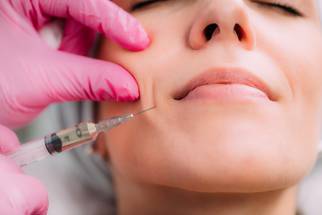
Botulinum toxin type A (BoNT-A) and hyaluronic acid (HA) dermal fillers are increasingly being incorporated into aesthetic dentistry to address excessive gingival display, perioral aging, and facial balance, according to a narrative review published in Minerva Dental and Oral Science.
Researchers examined the clinical applications, treatment integration, and safety considerations associated with facial injectables in dental practice. The authors searched PubMed/MEDLINE, Scopus, and Google Scholar, prioritizing systematic reviews, clinical trials, and expert consensus statements published between 2000 and 2025, with selected updates through early 2026.
Clinical Applications and Safety Considerations
The review identified evidence supporting BoNT-A as an adjunctive treatment for gummy smiles associated with hyperactive upper-lip elevator muscles, lower-face dynamic wrinkles, masseter hypertrophy, and bruxism-related myofascial pain. HA fillers were described as complementary treatments following orthodontic, periodontal, or restorative procedures, particularly for enhancing lip contour and supporting perioral soft tissues.
The authors identified filler-induced vascular occlusion as a major complication requiring early recognition and prompt hyaluronidase treatment.
The narrative design, absence of pooled outcome estimates, and variability in the underlying evidence limit conclusions regarding comparative effectiveness.
"As an orofacial harmonization method, facial aesthetic medicine can be incorporated into modern dentistry as long as indications are conservative, patients are properly chosen and given consent, and clinics are prepared and trained to handle complications," the authors concluded.
Source
Ballini A, et al. Minerva Dent Oral Sci. Published online October 23, 2026. Doi:10.23736/S2724-6329.26.05315-5