
Meta-analysis Finds Low Complication Rates, High Satisfaction with Transumbilical Breast Augmentation
Key Takeaways
- A systematic review and meta-analysis encompassing 17 studies and 13,210 breasts found high patient-reported satisfaction following transumbilical breast augmentation (TUBA).
- Pooled complication rates were low, including hematoma (0.2%), capsular contracture (1.7%), and reintervention (2.3%).
- Predominantly retrospective, single-arm studies, moderate risk of bias, and short follow-up periods limit conclusions about long-term safety and comparability with conventional breast augmentation techniques.
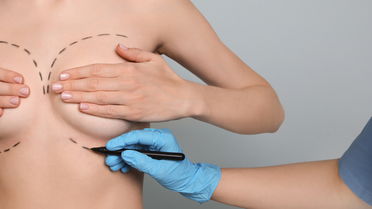
A systematic review and meta-analysis involving 13,210 breasts found high patient satisfaction and low reported complication rates following transumbilical breast augmentation (TUBA), although researchers cautioned that limitations in the available evidence prevent definitive conclusions about procedural safety.
Published online in Aesthetic Plastic Surgery, the review evaluated 17 studies involving 6,605 patients, including 6,510 who underwent TUBA. The technique involves breast implant placement through an incision concealed within the umbilicus, avoiding visible incisions on the breasts.
Transumbilical Breast Augmentation Safety and Patient Satisfaction
Researchers conducted a systematic search of MEDLINE, Embase, Scopus, Cochrane Library, and Web of Science through August 2025. Eligible studies included adult women undergoing TUBA with silicone or saline implants.
Primary outcomes were patient-reported satisfaction and hematoma incidence. Secondary endpoints included capsular contracture, reintervention, infection, seroma, implant malposition, implant rupture or deflation, and operative time.
Patient satisfaction was consistently favorable across studies. Single-arm meta-analyses demonstrated low pooled complication rates:
- Hematoma: 0.2% (95% CI, 0.1%-0.5%)
- Capsular contracture: 1.7% (95% CI, 0.9%-3.2%)
- Reintervention: 2.3% (95% CI, 1.2%-4.4%)
- Infection: 0.0% (95% CI, 0.0%-0.7%)
- Intraoperative bleeding: 0.2% (95% CI, 0.1%-0.8%)
Other adverse events were infrequent, and operative times clustered around a median of 60 minutes.
Despite these findings, the investigators identified predominantly moderate risk of bias. Most included studies were retrospective and single-arm, limiting direct comparisons with established surgical approaches. Short follow-up periods further restricted assessment of long-term outcomes.
"This study suggested that TUBA resulted in high patient-reported satisfaction and low reported rates of major complications," the authors wrote. "However, these findings are descriptive and should be interpreted cautiously, because the predominance of retrospective single-arm studies substantially limits causal inference. Moderate risk of bias and short follow-up further preclude definitive conclusions regarding its safety, reproducibility, or equivalence to established approaches."
Source
Gonçalves FGA, Malacarne GA, Sampaio ECF, et al. The transumbilical breast augmentation: safety and satisfaction in a systematic review and meta-analysis of 13,210 breasts. Aesthetic Plast Surg. Published online November 6, 2026. doi:10.1007/s00266-026-06362-5