
Early Data Show Low Complication Rates With Mentor MemoryGel BOOST Breast Implants
Key Takeaways
Early clinical outcomes with Mentor MemoryGel BOOST breast implants showed low rates of capsular contracture and infection in a retrospective study of 116 patients undergoing primary or revision breast augmentation.
No patient-reported implant rippling or visibility concerns, or confirmed or suspected ruptures, were documented during approximately 14 months of follow-up.
Ten patients underwent reoperation, including three elective implant size changes. Investigators emphasized that longer-term follow-up is needed to assess device-related complications and durability.
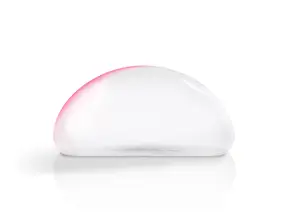
Early clinical experience with Mentor MemoryGel BOOST breast implants demonstrated low rates of capsular contracture and infection, with no patient-reported rippling or implant visibility concerns, according to research presented at Plastic Surgery The Meeting 2026, the annual meeting of the American Society of Plastic Surgeons (ASPS).
The retrospective, single-surgeon study evaluated outcomes in 116 patients undergoing primary or revision breast augmentation with MemoryGel BOOST implants between March 2022 and January 2024.
Brandon Free, MD, an aesthetic surgery fellow at Twin Cities Cosmetic Surgery in the Minneapolis area, discussed the findings in an interview with Modern Aesthetics.
"One of the marketing features with this implant is that it combines a highly cohesive silicone gel with a precision-filled implant shell," Dr. Free said, explaining that the design is intended to minimize implant rippling and wrinkling.
The implant is also designed to provide upper-pole fullness, an aesthetic characteristic that can influence implant selection.
Study Findings and Early Complication Rates
Of the 116 patients, 82 underwent primary breast augmentation and 34 underwent revision augmentation. Mean follow-up was approximately 14 months.
Moderate Plus profile implants were used in approximately 84% of patients, with a mean implant volume of 380 cc. Subfascial implant placement accounted for 76% of procedures, while the remaining 24% involved dual-plane placement.
Investigators observed two cases of capsular contracture (1.7%) and one infection requiring operative washout (0.9%). No patients reported concerns about implant rippling or visibility, and no confirmed or suspected implant ruptures occurred during follow-up.
Ten patients (8.6%) underwent reoperation, including three elective implant size changes and additional procedures involving implant pocket adjustments.
Dr. Free characterized the initial findings as encouraging but emphasized the limitations of the retrospective design and relatively short follow-up period.
"Our results from this study are promising, but they obviously only represent our early experience from, you know, a retrospective single-surgeon study," he said. "So we can't comment on some of the long-term contracture or rupture rates, for example."
The investigators are expanding their analysis to include more than 400 patients treated between 2022 and 2026, allowing for a longer assessment of clinical outcomes.
Dr. Free said the implant remains one option for matching breast augmentation outcomes to individual aesthetic goals, particularly among patients seeking upper-pole fullness.
"Longer term follow-up will provide us with that data that we need to help determine some of those other outcomes," he said.